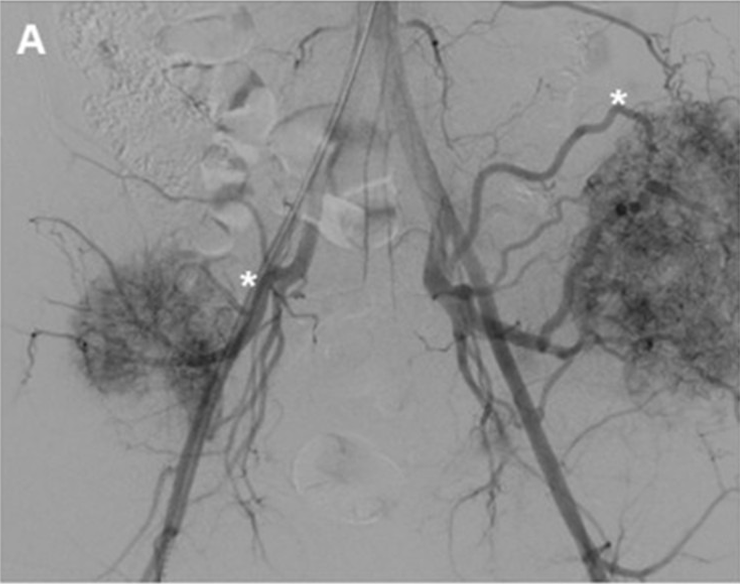
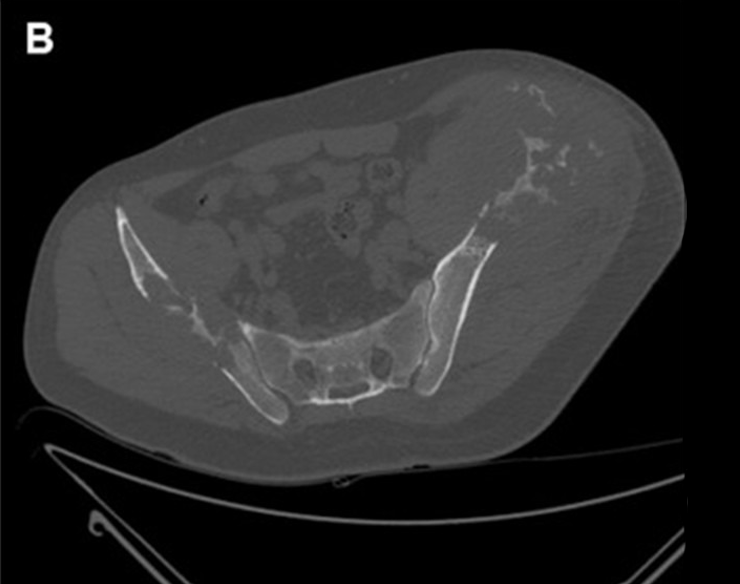
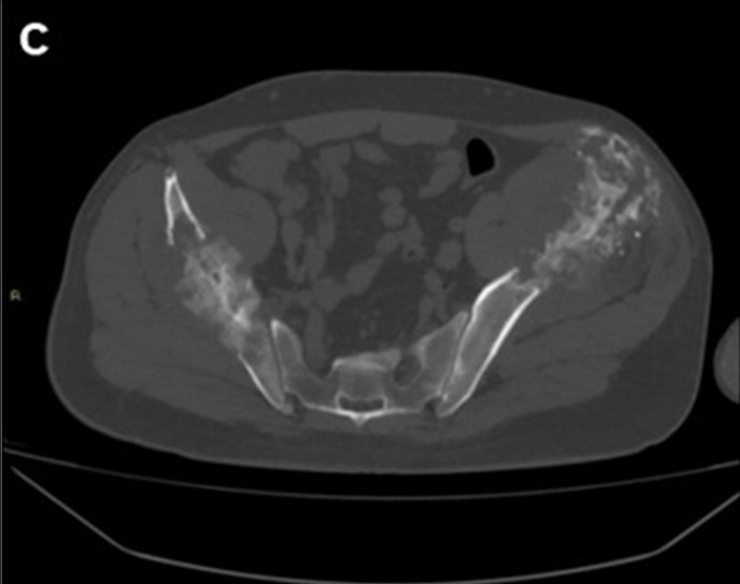
A well-established indication is preoperative embolization, particularly for hypervascular metastases, where it has been shown to reduce intraoperative blood loss, improve surgical visualization, and shorten operative time. These benefits are most pronounced when embolization is complete and when surgery is performed on the same day. Conversely, evidence suggests that patients with non-hypervascular metastases may not derive significant benefit from preoperative embolization in terms of blood loss, transfusion requirements, complications, or survival.
From a palliative perspective, arterial embolization has shown high efficacy in pain control. Large clinical series report pain reduction greater than 50% in the vast majority of patients, with a mean duration of relief ranging from 8 to 10 months. Repeat embolization can be performed in cases of pain recurrence. In addition to symptom control, significant tumor size reduction and partial ossification have been observed in some patients. Complications are generally mild and include post-embolization pain, transient paresthesia, and occasional skin injury.
Embolization has also been successfully integrated into combination treatment strategies. Transarterial chemoembolization (TACE), alone or combined with radiotherapy, has demonstrated superior radiological response and longer-lasting palliation compared with radiotherapy alone, particularly in patients with symptomatic bone metastases refractory to first-line radiation. Combined approaches with percutaneous techniques, such as osteoplasty, have further improved pain control and functional outcomes without increasing complication rates.
In summary, arterial embolization is a valuable and versatile tool in the management of bone metastases, particularly for patients who are not surgical candidates or who have disease refractory to radiation or systemic therapies. Despite limited data on long-term durability, palliative embolization remains an effective option for local tumor control and meaningful improvement in quality of life.